

In real estate development, it’s easy to believe the toughest challenges are technical—floor plans, approvals, capital structures, and timelines.
But after spending years in this business, I’ve come to a simple conclusion:
The most valuable assets aren’t the buildings we construct. They’re the people who construct them.
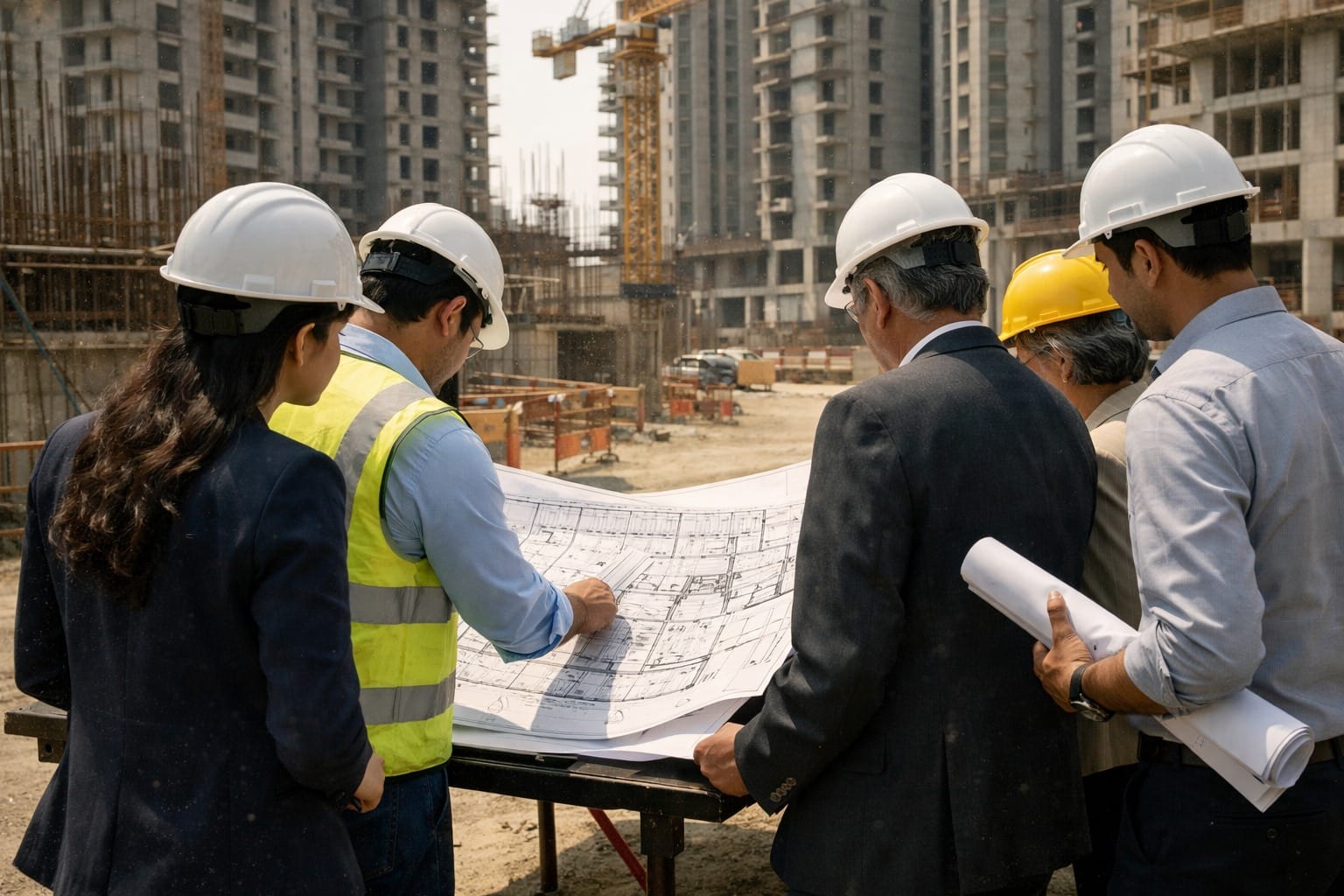
At our organization, Yuvan Group, three generations work closely together every day. What I’ve observed is that each generation doesn’t just bring skills—they bring a distinct way of thinking. And those perspectives shape how projects move forward, especially when situations get complex.
Here’s what working across generations has taught me.
Gen Z: The Efficiency Disruptors
Mindset: Question first. Simplify relentlessly.
Gen Z professionals have little patience for inefficiency disguised as tradition. When they encounter slow approvals, repetitive reporting, or fragmented communication, they don’t accept it as “how things work.” Their instinct is to redesign the process.
In practice, this shows up in small but powerful ways—streamlining internal workflows, reducing unnecessary coordination, and replacing long email trails with clearer, more structured systems.
What they’ve taught us: Processes should serve outcomes, not egos or tradition.
Their real value isn’t just speed. It’s the reminder that progress begins with one question: Is this still the best way to do this?
Millennials: The Purpose-Driven Connectors
Mindset: Alignment matters more than compliance.
Millennials often operate at the intersection of execution and intent. They understand feasibility and timelines, but they also push conversations toward livability, sustainability, and long-term relevance.
In project discussions, they frequently challenge design choices, amenities, or phasing—not to delay decisions, but to ensure what’s being built remains valuable years down the line, both commercially and socially.
What they’ve taught us: Intentional decisions compound over time.
A project is more than a feasibility model. It’s a place people will live, work, and grow in. When purpose and profitability align, developments age better—and so do reputations.
Late Boomers: The Relationship Architects
Mindset: Play the long game.
Experience shows itself most clearly during uncertainty. When new regulations or complex negotiations have the potential to delay timelines, the immediate instinct is often to brace for delays or over-correct plans.
Seasoned professionals respond differently. Instead of reacting, they seek clarity—through conversation, context, and relationships built over decades. Understanding intent before action often prevents unnecessary friction and saves valuable time.
What they’ve taught us: Technology accelerates work, but real estate still runs on relationships.
Experience, reputation, and trust remain the most valuable assets on any balance sheet.
The Bigger Realisation
Working closely across generations has reshaped how I see this industry.
Real estate development is a multi-generational sport. Relying on a single perspective creates blind spots.
But when you combine:
- Gen Z’s speed,
- Millennials’ vision, and
- Boomers’ wisdom,
You build legacies.